
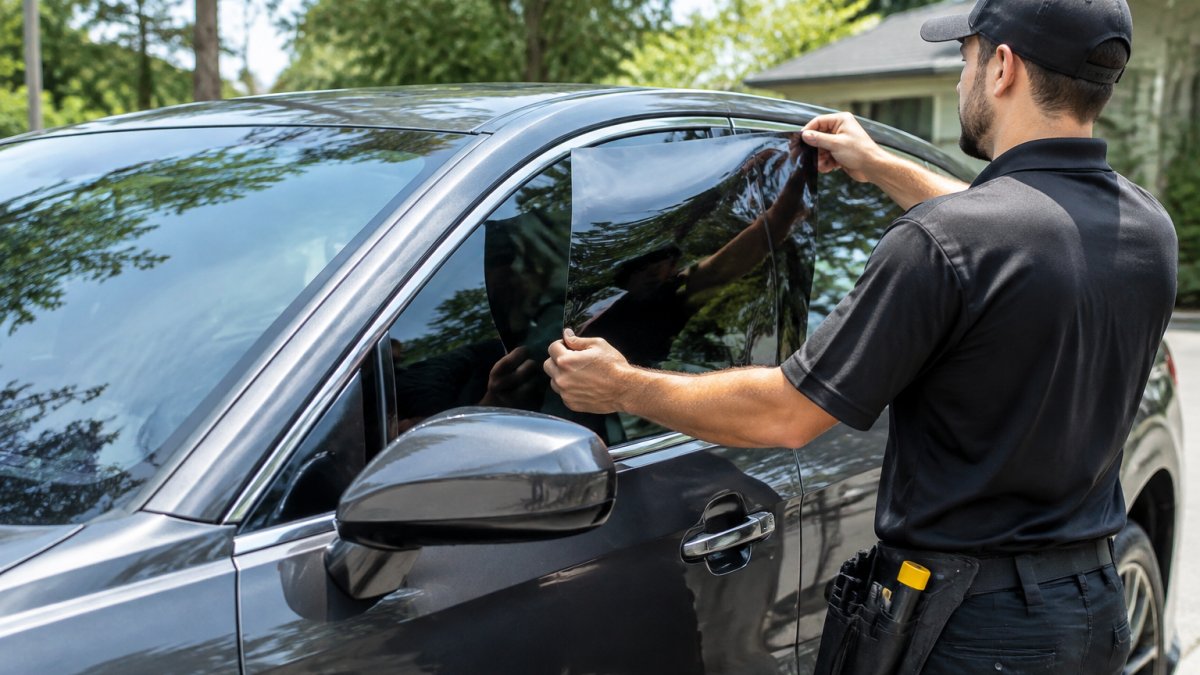
Last Updated: November 7, 2026
Quick Summary
Ceramic window tint is worth it if you want strong heat rejection, UV protection, clear optics, and long-term durability without bubbling, peeling, or discoloration. It costs more upfront than dyed or metalized film, so it makes the most sense if you keep your vehicle for several years.
- Ceramic film uses ceramic particles to reject infrared heat and ultraviolet rays while staying optically clear.
- Compare films by TSER, IRR, and VLT at the same shade, since a high IRR with low TSER is a warning sign.
- Quotes vary with window coverage, vehicle size and glass curvature, film grade, and installation warranty.
- Before paying, ask for the spec sheet, inspect every window in daylight, and get the warranty in writing.
- Driftcore installs 99% UV rejection ceramic film with a lifetime warranty and mobile service in the Atlanta area.
Table of Contents
- Ceramic Window Tint Pros and Cons
- Ceramic Tint vs Regular Tint: How the Films Differ
- Ceramic Tint Cost: What You Pay For and What It Returns
- Ceramic Tint vs Regular Tint at Night
- How to Verify a Ceramic Tint Job Before You Pay
- Get a Free Quote for Ceramic Tint at Your Location
- Frequently Asked Questions
Ceramic Window Tint Pros and Cons
Ceramic window tint is a premium automotive film that uses ceramic particles to block heat and ultraviolet rays more effectively than conventional dyed films. Whether it's worth it depends on your climate, your commute, and how long you plan to keep the car.
Ceramic window tint can deliver real benefits, but only if you buy it for the right reasons. Here's the short version before we break down the details.
Pros:
- Strong heat rejection, which keeps the cabin cooler
- Strong UV protection that slows dashboard cracking and leather fading
- Clear optical quality
- Long-term durability with no bubbling, peeling, or discoloration
Cons:
- Higher upfront cost than dyed or metalized film
- Not all "ceramic" films are equal, and cheap imitations exist
- Installation quality matters as much as the film itself
The drawbacks mostly come down to price and the film you choose. Shopping on price alone can lead to a film that performs like dyed tint with a ceramic label.
For a deeper look at how film types compare, our tint tips and guides cover the details.
Ceramic Tint vs Regular Tint: How the Films Differ
Regular tint, often called dyed film, darkens glass with a layer of dye. It reduces visible light and some glare, but it does little for heat.
The practical differences show up in four places:
- Heat rejection: ceramic film is designed to reject solar heat.
- UV protection: ceramic film is designed to block ultraviolet rays.
- Clarity: ceramic film is designed to stay optically clear.
- Durability: quality ceramic film is designed to hold its color.
How to compare films like a specification sheet, not a sales pitch. The broad claims above are where most comparisons stop, and that is exactly where buyers get misled. Three numbers on a film's spec sheet tell you more than any adjective:
- Total solar energy rejected (TSER): the share of all solar energy, across the ultraviolet, visible, and infrared bands, that the film keeps out of the cabin. This is the best single number for overall heat performance.
- Infrared rejection (IRR): the share of infrared energy blocked. Infrared is a large part of the heat you feel, but IRR alone can be inflated by testing only a narrow band, so treat a high IRR with a low TSER as a warning sign.
- Visible light transmission (VLT): the share of visible light that passes through. This is the number your state's tint law regulates, and it is the one that determines whether a shade is legal on side windows and windshields.
A film can advertise a high infrared rejection figure and still underperform another film with a lower IRR but a higher TSER. Compare films at the same VLT shade, because a darker film will always reject more light and heat than a lighter one regardless of material.
Where the differences actually matter. In a hot climate with unshaded parking, TSER and UV protection matter most. On a short commute in a mild climate, a mid-grade film may be enough. At night, clarity and glare control matter more than raw heat numbers.
Three spec-sheet numbers tell you more about a film than any marketing claim.
| Spec | What it measures | Why it matters |
|---|---|---|
| Total solar energy rejected (TSER) | Share of all solar energy kept out of the cabin | Best single number for overall heat performance |
| Infrared rejection (IRR) | Share of infrared energy blocked | High IRR with low TSER is a warning sign |
| Visible light transmission (VLT) | Share of visible light that passes through | Regulated by state tint law; compare films at same VLT |
Ceramic Tint Cost: What You Pay For and What It Returns
Ceramic tint generally costs more than regular tint. Pricing depends on vehicle size, glass coverage, and film grade, so request a quote from Driftcore window tint for current prices.
What drives the quote. Four variables move the number more than anything else:
- Window coverage: a two-door coupe with four side windows and a rear glass is the low end; a full SUV with a windshield strip, all side windows, and a large rear glass is the high end.
- Vehicle size and glass curvature: more square footage of film and more curved glass mean more material and more labor time.
- Film grade: entry-level ceramic, mid-grade ceramic, and premium multi-layer ceramic sit at different price points at the roll, and that difference passes through to the install price.
- Installation skill and warranty: a shop that stands behind the work with a written lifetime warranty charges more than a cash-only installer, and that premium is usually worth it.
Getting an accurate quote. Pricing depends on the vehicle and the coverage you choose. Ask for the quote broken out by window so you can see what each piece adds.
What changes the quote up or down.
- Removing old film can add labor.
- Tighter visible-light-transmission limits can affect which film shade is legal for your vehicle.
The return over ownership. The value of ceramic film depends on how long you keep the vehicle. Ceramic film can help keep the cabin cooler and reduce UV exposure to interior surfaces. If you plan to keep the vehicle for several years, the upfront cost is easier to justify.
Watch out: a very cheap ceramic quote may not match the product described. Ask for the film's specification sheet and confirm the product name before you commit, and get the warranty in writing so you know what coverage you are receiving.
Ceramic Tint vs Regular Tint at Night
At night, ceramic tint's clarity is a key consideration. Ceramic film is designed to stay optically clear, which can help with glare reduction.
Here's what matters for night driving:
- Glare control: ceramic film can help reduce glare
- Visibility: clear optics help you see the road and mirrors
- Legal shade: darker isn't better at night, so match your shade to your state's visible light transmission rules
At night, optical quality is a meaningful part of how a film performs. If you do a lot of evening driving, clarity may be a deciding factor in your choice.
How to Verify a Ceramic Tint Job Before You Pay
Verifying a ceramic tint job means checking the film's documentation and inspecting the glass before money changes hands. A genuine ceramic install should be clean, clear, and backed by a written warranty.
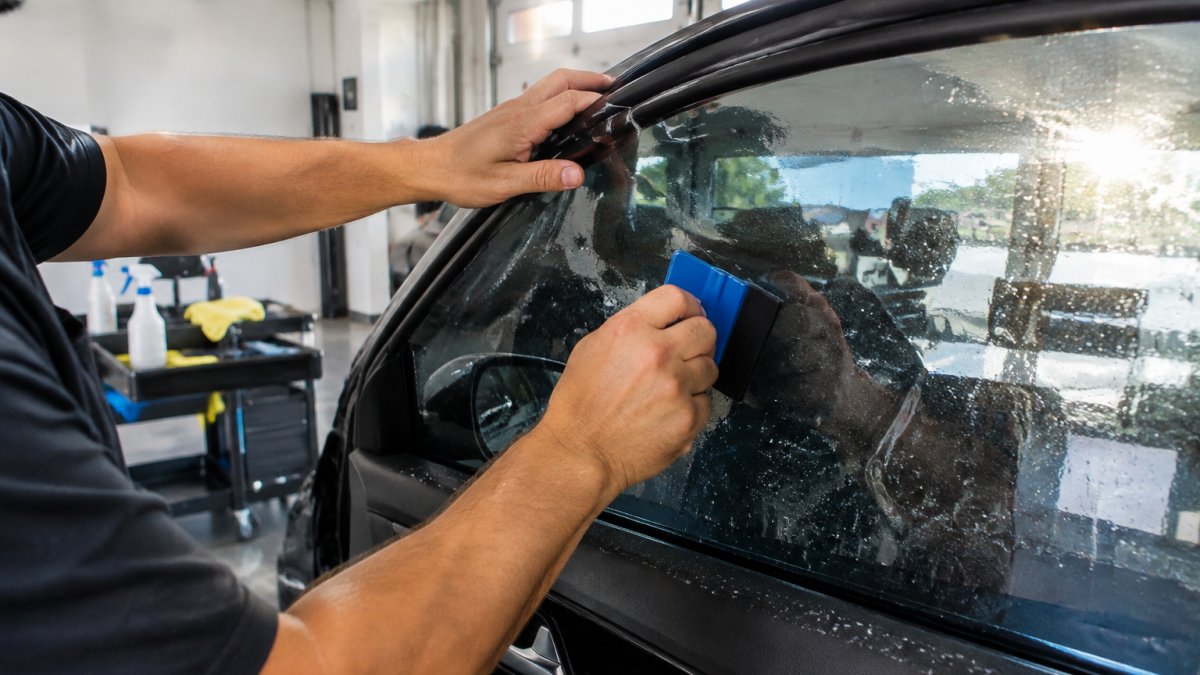
Run through this checklist before you pay:
- Ask for the film's specification sheet and confirm the ceramic product name
- Inspect every window in daylight for bubbles, creases, or trapped debris
- Check the edges for lifting or gaps
- Confirm the shade matches what you ordered on all windows
- Read the warranty in writing: what it covers and for how long
- Test your GPS and phone signal to confirm no interference
A quality job looks clean from every angle. If you spot bubbles or peeling edges, ask your installer about the cause. Our automotive window tinting page explains what a proper install includes.
Get a Free Quote for Ceramic Tint at Your Location
The simplest way to decide if ceramic window tint is worth it is to get a real quote for your vehicle. Our mobile service can bring the installation to your location.
At Driftcore window tint, we install 99% UV rejection ceramic film backed by a lifetime warranty for as long as you own your vehicle. Our mobile service covers the Atlanta area, and we serve automotive, residential, and commercial clients. You can expect cooler interiors, UV protection, and glare reduction without bubbling, peeling, or discoloration.
Get started with Driftcore window tint and book a free quote at your location today.
Ceramic film isn't the cheapest option, but for drivers who want lasting comfort and protection, it's the one that pays you back. We'll help you choose the right film and shade for your car and your climate.
Frequently Asked Questions
What are the downsides of ceramic window tint?
The main downsides are upfront price and a narrower shade range. Ceramic window tint costs more than dyed or carbon film, so the payback comes from heat rejection and UV protection over years of ownership, not from the sticker price. A quality install avoids the bubbling and peeling that cheaper films develop, so the film brand and the installer's prep work decide how the job holds up.
Can I see at night with ceramic tint?
Yes, if you choose a legal shade. Ceramic tint vs regular tint at night comes down to visible light transmission, not film type. A ceramic film at 35% VLT lets in about the same light as a regular film at 35% VLT, so night visibility is similar at equal shades. Avoid going darker than your state's legal limit, since dark film is what actually hurts night driving.
Is ceramic window tint legal?
Legality depends on your state's rules for visible light transmission on each window, plus any windshield strip limits. Ceramic film is not banned as a material; the shade you pick is what gets checked. Ask your installer for the VLT rating of the film going on each window and compare it with your state's limits before the job starts. A shop that does this without being asked is a good sign the install will pass inspection.
How much does ceramic tint cost compared with regular tint?
Ceramic tint pricing depends on vehicle size, how many windows you cover, and film grade, so ask for a written quote. Driftcore window tint offers free quotes for mobile service, which lets you compare the final installed price.
